What Is a VPN
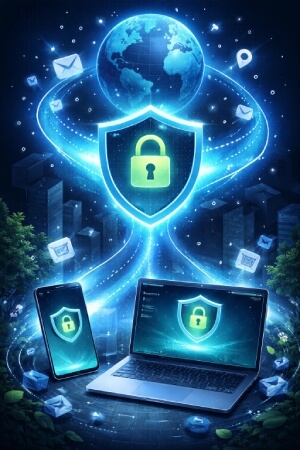
A VPN, or virtual private network, is a technology that helps establish a private and protected connection between your device and the Internet. Your traffic does not directly move to a website or application; it passes through a VPN server first. That process changes what your data appears like outside and helps protect your activities from intrusive scrutiny.
At a fundamental level, VPNs serve as mediating agents. All a website can see in your online behavior is the VPN server it is connected to, instead of the actual device. Local networks cannot follow your web activity easily, either. Originally developed for businesses and institutions, they have since been adopted by individuals who cherish privacy and security in everyday internet usage.
VPNs and Everyday Internet Use
Many people assume that privacy tools are only for technical users or special situations. In reality, a VPN fits naturally into common online habits. Checking email, shopping online, watching videos, or reading the news all involve data moving across networks you do not control. A VPN helps reduce exposure during these routine activities without requiring deep technical knowledge.
What a VPN Does Not Do
It is important to understand the limits of a VPN. A VPN does not make someone completely anonymous, nor does it protect against every online risk. It cannot prevent scams, remove malware already on a device, or replace good security habits. Instead, it adds an extra layer of protection that works alongside other responsible online practices.
How a VPN Works
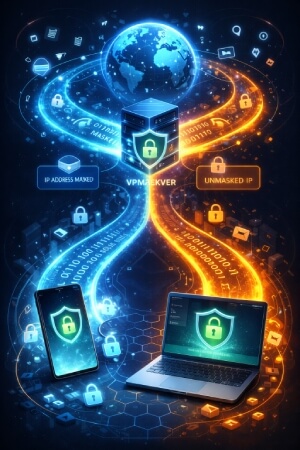
The moment your device forms a connection with a VPN service, your setup gets handled over an encrypted tunnel with a remote server run by your VPN service; as such, data streams through the tunnel to and from its intended destination. With the intention of preventing third-party observation and even terminations, all data gets encrypted during transit.
Onceng the data reaches the VPN server, the data stream becomes decrypted and then lands into the website or service that the end user is accessing. Response runs back to the user in the same way. From the point of view of an outsider, the request looked like it was made by the VPN server and not the individual connection.
Encryption and Secure Tunnels
Encryption is a core part of how VPNs protect users. Strong encryption standards convert readable data into coded information that cannot be easily interpreted without the correct key. This is especially important on shared or public networks, where other users or administrators may have the ability to monitor traffic.
IP Address Masking
Every internet connection has an IP address that reveals general location and network details. A VPN replaces your visible IP address with one from its own server. This masking helps reduce tracking and makes it harder for websites or advertisers to build detailed profiles based on location alone.
Servers and Locations
Most VPN services operate servers in multiple regions. When you choose a server location, you are effectively choosing where your internet traffic appears to originate. This flexibility can be useful for privacy, travel, and access to region-specific services.
Why People Use a VPN
There has been a growth in the practice of using VPNs as of H. W.s' concerns about the internet have increased. Despite the many reasons that drag people into using some sort of VPN service, we usually see the needs existing from three angles: privacy, security, and freedom. These elements tend to go hand in hand with each other, supporting one another in online life and daily operations.
Privacy is all about who can see you doing whatever. Security is really not at all about trying to make someone not see your data: it is just to make the interception/tampering impossible. Freedom pertains to the availability and control allowing connection of one or another at any given time or under any set of network conditions.
Privacy in a Data-Driven World
Online activity generates vast amounts of data, much of it collected by websites, advertisers, and service providers. A VPN helps reduce passive tracking by hiding your real IP address and encrypting traffic. While it does not eliminate all forms of data collection, it makes casual monitoring far more difficult.
Security on Untrusted Networks
Not all networks are created with user safety in mind. Public Wi-Fi hotspots, shared office connections, and even home networks can expose data if improperly secured. A VPN adds a protective barrier that reduces the risk of eavesdropping and unauthorized access.
Maintaining Digital Freedom
Internet access can vary based on geography, workplace rules, or network policies. A VPN allows users to route their connection through different locations, helping maintain consistent access to services and information while traveling or working remotely.
Common Use Cases for a VPN
VPNs are often associated with complex scenarios, but their most valuable benefits appear in ordinary situations. From casual browsing to professional tasks, a VPN can quietly improve safety and reliability. These use cases reflect how VPNs fit into modern digital routines rather than replacing them.
Understanding these scenarios helps clarify when and why a VPN is useful, especially for users who want protection without constant manual configuration.
Public Wi-Fi Protection
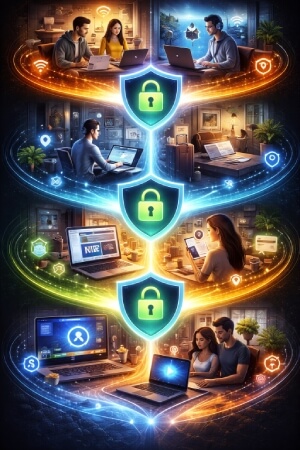
Public Wi-Fi networks in cafes, airports, and hotels are convenient but risky. These networks are often open or poorly secured, making them attractive targets for data interception. A VPN encrypts your connection, helping protect personal information from being exposed.
Remote Work and Travel
Remote work depends on reliable and secure internet access. When traveling or working from unfamiliar networks, a VPN helps maintain a consistent security standard. This is particularly important when accessing work systems, shared documents, or internal tools from outside the office.
Privacy While Browsing
Even casual browsing can reveal more about you than expected. Websites can log IP addresses, locations, and browsing patterns. A VPN reduces this visibility by masking your connection details, making everyday browsing less transparent to outside observers.
Safer Online Banking
Financial activities require a high level of trust in the connection being used. A VPN helps protect sensitive data such as login credentials and transaction details, especially when banking from shared or mobile networks. While banks already use encryption, a VPN adds another layer of protection.
Streaming While Abroad
Travelers often encounter limited access to familiar streaming services due to regional restrictions. A VPN allows users to connect through servers in their home region, helping maintain access to subscriptions while abroad. This use case is as much about convenience as it is about continuity.
What to Look for in a Good VPN
Not all VPN services offer the same level of protection or reliability. Choosing a VPN involves balancing security features, performance, and ease of use. Understanding key qualities helps users make informed decisions without relying on technical expertise.
A good VPN should operate quietly in the background while providing clear information about how it handles data and protects users.
Strong Security Standards
Look for VPNs that use modern encryption protocols and clearly explain their security practices. Strong standards ensure that data remains protected even on high-risk networks. Transparency about technology choices is often a sign of a serious service.
Clear Privacy Policies
A VPN is trusted with sensitive traffic, so its privacy policy matters. Users should understand what data is collected, how long it is stored, and under what circumstances it may be shared. Simple, readable policies are generally preferable to vague promises.
Reliable Performance
Security should not come at the cost of usability. A good VPN maintains stable speeds and reliable connections across different networks. Consistent performance makes it more likely that users will keep the VPN enabled rather than turning it off for convenience.
Ease of Use Across Devices
Most people use multiple devices, including phones, laptops, and tablets. A practical VPN offers straightforward apps and simple setup across platforms. One-click connection and clear status indicators make daily use more approachable.
One Click, Many Layers of Protection
A VPN is not a one-size-fits-all solution for every type of risk online; however, it does tend to have an active role in making the Internet safe. Encrypting all data, creating a secure tunnel for the connections, and intensifying privacy control over the Internet has truly made VPN a perfect companion for safe and controlled silent browsing on the web. This is itself much assurance for many opening a lot of doors in their further conscientious digital life.
Frequently Asked Questions
Is a VPN Legal to Use?
In most countries, using a VPN is legal for personal privacy and security. However, laws vary by region, and users are responsible for complying with local regulations and service terms.
Will a VPN Slow Down My Internet?
A VPN may reduce speed due to encryption and routing, but high-quality services are designed to minimize this impact. In some cases, performance can even improve on congested networks.
Can a VPN Make Me Completely Anonymous?
No. A VPN improves privacy but does not guarantee full anonymity. Online behavior, account logins, and device settings still play a role in how identifiable a user is.
Do I Need a VPN at Home?
Even home networks benefit from added protection, especially when multiple devices are connected or when browsing sensitive information. A VPN provides consistent security regardless of location.
Should a VPN Always Be On?
Many users keep their VPN enabled at all times for simplicity. Others turn it on for specific tasks or networks. The right approach depends on personal comfort and usage patterns.